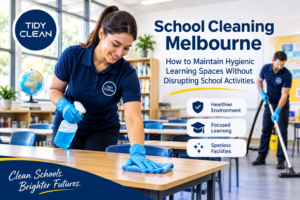



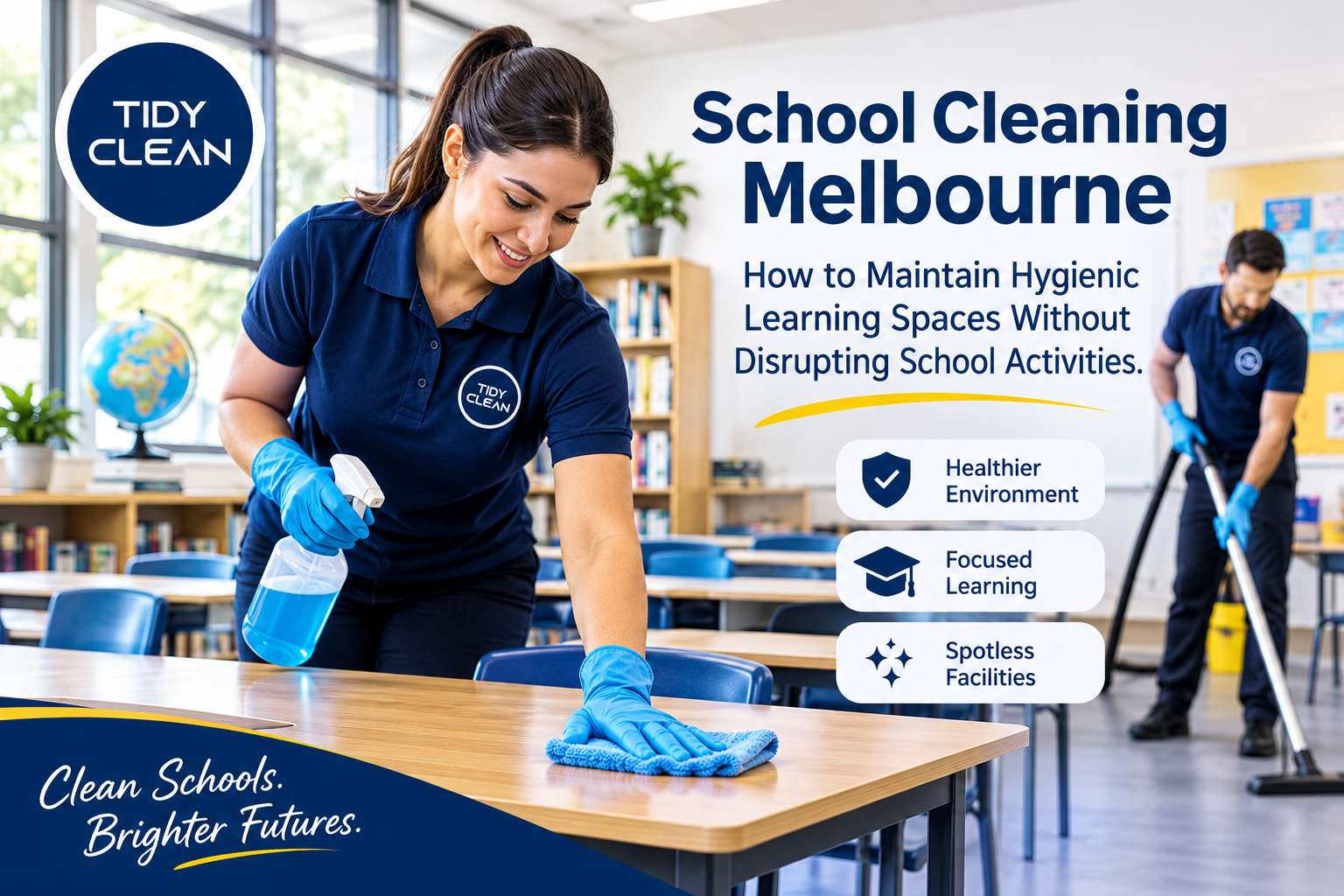
A clean school is more than just an attractive learning environment. It is an important part of creating a healthier, safer and more comfortable space for students, teachers, administrative staff and visitors. From classrooms and libraries to toilets, cafeterias and playground facilities, every area of an educational institution requires consistent cleaning and maintenance.
Schools experience high daily foot traffic, making it easy for dust, dirt, germs and other contaminants to accumulate. Shared desks, door handles, computer keyboards, chairs, staircases and frequently touched surfaces can become dirty throughout the school day. Without an organised cleaning routine, these areas may affect the overall hygiene of the learning environment.
For schools across Melbourne, maintaining cleanliness while keeping lessons, examinations and extracurricular activities running smoothly can be challenging. This is where professional school cleaning Melbourne services can make a difference.
A well-planned cleaning strategy ensures that essential cleaning tasks are completed efficiently, without unnecessary interruptions to students and teachers. In this guide, we explore practical ways to maintain hygienic school environments while supporting uninterrupted educational activities.
1. Develop a Cleaning Schedule Around School Activities
One of the most effective ways to maintain a hygienic school is to establish a structured cleaning schedule that considers the institution’s daily timetable.
Cleaning during lessons, examinations or important school activities can create unnecessary noise and distractions. Therefore, cleaning tasks should be organised around periods when classrooms and shared facilities are less occupied.
A practical cleaning schedule may include:
- Before school hours: Clean classrooms, staff rooms, reception areas and corridors.
- During breaks: Maintain washrooms, cafeterias and frequently used common areas.
- After school hours: Complete detailed classroom cleaning, floor maintenance and rubbish removal.
- During weekends or holidays: Schedule deep cleaning, carpet cleaning and intensive sanitisation.
Professional cleaners can coordinate their work with school management to ensure essential cleaning activities are completed at convenient times.
2. Prioritise High-Touch Surface Cleaning
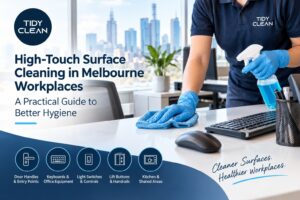
Schools contain numerous shared surfaces that students and staff touch throughout the day. These surfaces can accumulate dirt and microorganisms through repeated contact.
Common high-touch areas include:
- Classroom door handles and light switches
- Student desks and chairs
- Computer keyboards and mouse devices
- Staircase railings and handrails
- Library tables and shared equipment
- Reception counters and office furniture
- Toilet taps, flush handles and cubicle locks
Regular cleaning of these surfaces helps maintain better hygiene throughout the school.
Using appropriate cleaning products and following manufacturer instructions are important when maintaining shared equipment and frequently touched surfaces. Cleaning should remove visible dirt before disinfecting where required, as disinfectants may be less effective on dirty surfaces.
A professional cleaning team can establish a consistent routine to ensure these important areas are not overlooked.
3. Maintain Hygienic Classrooms Without Interrupting Lessons
Classrooms are among the busiest areas in any educational institution. Students spend several hours using desks, chairs, learning materials and shared equipment.
Dust accumulation, food crumbs, marks and general dirt can affect classroom cleanliness if regular maintenance is overlooked.
To maintain clean classrooms, schools should consider:
- Wiping desks and commonly used surfaces regularly.
- Removing rubbish and emptying classroom bins.
- Vacuuming carpets and cleaning hard floors.
- Cleaning windows and accessible glass surfaces.
- Maintaining whiteboards and frequently used learning areas.
- Ensuring adequate ventilation during and after cleaning.
Scheduling detailed cleaning after students leave helps minimise disruptions. During school hours, cleaners can focus on unoccupied areas or respond to specific cleaning requirements without disturbing classroom activities.
4. Keep School Toilets and Washrooms Clean
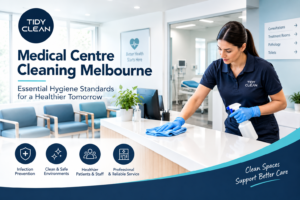
School washrooms require particular attention because they experience frequent use throughout the day. Poorly maintained toilets can create unpleasant odours, unsanitary conditions and an uncomfortable experience for students and staff.
A reliable washroom cleaning routine should include:
- Cleaning and disinfecting toilet bowls and urinals.
- Cleaning washbasins, taps and surrounding surfaces.
- Wiping mirrors and bathroom fixtures.
- Mopping and maintaining floors.
- Emptying sanitary and general waste bins appropriately.
- Restocking soap, toilet paper and paper towels.
- Checking for leaks, blockages and maintenance issues.
Washrooms should be inspected at regular intervals, particularly during busy school periods.
Professional school cleaners can help maintain these facilities through scheduled cleaning and routine inspections, ensuring they remain presentable and hygienic throughout the school day.
5. Maintain Clean Cafeterias and Food Preparation Areas
School cafeterias, staff kitchens and food preparation areas require consistent cleaning because food spills, crumbs and waste can attract pests and create hygiene concerns.
Tables, benches, food-serving counters, sinks and frequently used appliances should receive appropriate cleaning after use.
A practical cafeteria cleaning routine should include:
- Wiping and cleaning dining tables after meal periods.
- Removing food waste promptly.
- Cleaning kitchen benches and food-contact surfaces using suitable products.
- Sweeping and mopping floors.
- Cleaning sinks and shared appliances.
- Maintaining rubbish and recycling areas.
Cleaning products used around food preparation areas must be suitable for their intended surfaces and applied according to product instructions.
Scheduling additional cleaning after lunch breaks helps maintain cleanliness without interfering with food service or student activities.
6. Focus on Carpet and Floor Maintenance
School floors experience considerable daily wear and tear. Students, teachers and visitors regularly move between classrooms, corridors, libraries, reception areas and outdoor spaces.
Dust, mud, food particles and moisture can accumulate on floors, especially during Melbourne’s changing weather conditions.
Different flooring materials require different cleaning methods.
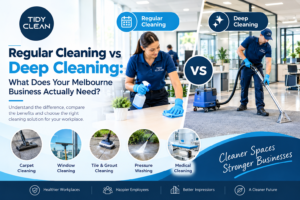
Carpet cleaning: Regular vacuuming helps remove loose dust and dirt, while periodic professional carpet cleaning addresses deeper soil and embedded debris.
Hard-floor cleaning: Sweeping, mopping and suitable floor treatments help maintain clean and presentable surfaces.
Tile and grout cleaning: Appropriate cleaning techniques help remove dirt and grime from tiled floors and grout lines.
Entrance maintenance: Doorways and entry mats should receive regular attention to reduce the amount of dirt carried into school buildings.
Professional floor maintenance helps preserve flooring quality while supporting a cleaner and more comfortable learning environment.
7. Use Appropriate Cleaning Products and Equipment
Choosing the right cleaning products is essential for maintaining school hygiene without damaging surfaces or creating unnecessary exposure risks.
Educational facilities include different materials, including carpets, timber furniture, glass, tiles, electronic equipment and stainless steel fixtures. Each surface may require a specific cleaning solution or technique.
Schools should consider:
- Using surface-appropriate cleaning products.
- Following product labels and dilution instructions.
- Keeping chemicals securely stored away from students.
- Providing suitable protective equipment for cleaning staff.
- Avoiding unnecessary mixing of cleaning chemicals.
- Ensuring appropriate ventilation during cleaning.
- Using equipment maintained according to manufacturer recommendations.
Professional cleaning teams understand the importance of selecting appropriate products and equipment for different school environments.
8. Create a Cleaning Plan for School Holidays
School holidays provide an excellent opportunity to complete cleaning tasks that are difficult to perform during regular school operations.
With fewer people occupying the premises, cleaning teams can access classrooms, hallways, libraries, staff offices and other shared facilities more easily.
Holiday cleaning may include:
- Deep carpet cleaning and extraction.
- Detailed floor scrubbing and maintenance.
- Window and glass cleaning.
- Pressure washing of selected outdoor surfaces.
- Detailed washroom cleaning.
- Cleaning difficult-to-reach areas.
- Removing accumulated dust and grime from furniture and fixtures.
Planning these tasks during term breaks helps schools maintain their facilities without interfering with lessons, examinations or student activities.
9. Why Professional School Cleaning Services Matter
Maintaining a school requires more than occasional sweeping and surface wiping. Educational facilities need a structured cleaning approach that addresses different spaces, usage patterns and hygiene requirements.
Professional school cleaning Melbourne services can help educational institutions manage these responsibilities more efficiently.
At Tidy Clean, we understand that every educational facility has different cleaning requirements. Our cleaning solutions can be tailored to the size of the premises, areas requiring attention and preferred cleaning schedules.
Professional cleaning support can help schools with:
- Regular classroom and common-area cleaning.
- Washroom and cafeteria maintenance.
- Carpet and floor cleaning.
- Window and glass cleaning.
- High-touch surface cleaning.
- Scheduled deep cleaning.
- Flexible cleaning arrangements around school activities.
Working with an experienced cleaning provider also allows school management to establish consistent cleaning routines and focus more attention on educational priorities.
Explore School Cleaning Melbourne: Professional Cleaning Services for Safer Learning Environments to know more about school cleaning and maintaining hygiene in the classrooms and areas nearabout.
10. Choose a Cleaning Partner That Understands School Environments
When selecting a school cleaning provider in Melbourne, schools should consider more than the quoted price. Reliability, scheduling flexibility, cleaning procedures and communication are equally important.
Before choosing a provider, consider:
- Cleaning experience: Look for experience with educational or similar commercial environments.
- Flexible scheduling: Ensure cleaning can be arranged around school hours and activities.
- Trained cleaning personnel: Ask about staff training, supervision and appropriate safety procedures.
- Suitable cleaning equipment: Check whether the provider can manage different flooring and surface types.
- Consistent service quality: Discuss inspection routines and how cleaning issues are addressed.
- Customised cleaning plans: Choose a provider that understands your school’s specific requirements.
The right cleaning partner can help maintain a welcoming and hygienic educational environment throughout the academic year.
Conclusion: Create a Cleaner Learning Environment with Tidy Clean
Maintaining a hygienic school environment does not have to interfere with teaching schedules or student activities. With a structured cleaning timetable, regular high-touch surface maintenance, hygienic washrooms and appropriate floor care, schools can maintain cleaner facilities while allowing educational activities to continue smoothly.
For educational institutions looking for dependable school cleaning Melbourne solutions, Tidy Clean provides customised cleaning services designed around individual property requirements and scheduling needs.
Whether you manage a childcare centre, primary school, secondary school or another educational facility, investing in professional cleaning can help create a more welcoming and comfortable environment for everyone.
Ready to maintain a cleaner learning environment?
Contact Tidy Clean today to discuss your school’s cleaning requirements and request a customised cleaning quote.
- Phone: 0404 352 582
- Website: https://tidyclean.com.au/
Let Tidy Clean help you maintain cleaner spaces so students and teachers can focus on what matters most: learning and teaching.