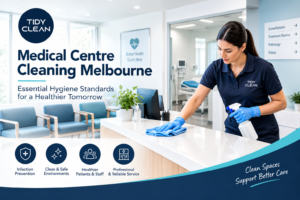


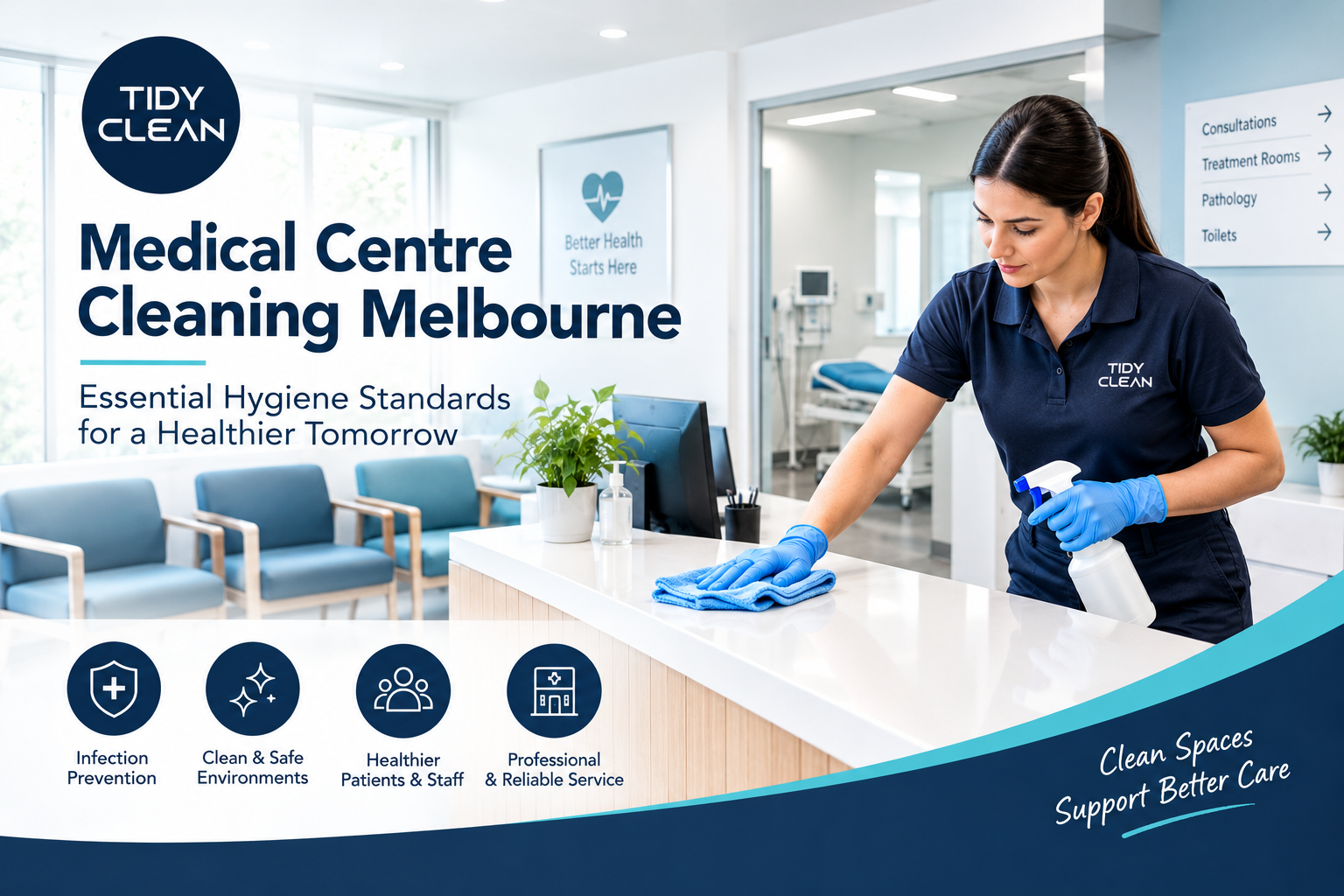
Medical centres play a vital role in protecting community health, providing patients with essential healthcare services in a safe and hygienic environment. Medical centre cleaning Melbourne is essential for maintaining high hygiene standards across general practitioner clinics, specialist practices and allied health facilities. From reception areas and waiting rooms to consultation rooms and treatment spaces, professional cleaning helps reduce contamination risks, support infection prevention and create a safe, welcoming environment for patients, healthcare professionals and visitors.
Unlike standard commercial spaces, medical facilities require specialised cleaning procedures, appropriate disinfectants and careful attention to high-touch surfaces. Even areas that appear clean can harbour microorganisms if they are not cleaned and disinfected correctly. This makes professional medical centre cleaning an important part of maintaining a safe healthcare environment.
For medical practices across Melbourne, understanding essential hygiene standards and implementing consistent cleaning procedures can help reduce contamination risks, support infection prevention and create a positive experience for patients and healthcare professionals.
Why Is Medical Centre Cleaning Important?
Medical centres experience a constant flow of patients, healthcare workers, visitors and suppliers. People may arrive with infectious illnesses, while frequently touched surfaces can become contaminated throughout the day. Without suitable cleaning and disinfection procedures, harmful microorganisms may spread between people and surfaces.
Professional medical centre cleaning helps address these risks through structured cleaning schedules, appropriate products and documented procedures.
Key benefits include:
- Infection prevention: Appropriate cleaning and disinfection help reduce the spread of harmful microorganisms.
- Patient confidence: A clean and organised facility helps patients feel more comfortable during consultations and treatments.
- Staff wellbeing: Maintaining hygienic workspaces supports healthcare professionals in performing their duties safely.
- Regulatory preparedness: Consistent cleaning procedures help medical practices demonstrate their commitment to relevant hygiene and safety requirements.
- A professional environment: Clean floors, waiting rooms, consultation areas and amenities contribute to a positive impression of the practice.
Cleaning alone cannot eliminate every infection risk. However, when combined with hand hygiene, appropriate clinical practices and infection prevention policies, it becomes an essential component of healthcare safety.
Essential Hygiene Standards for Medical Centres
Medical facilities require a systematic approach to cleaning. Procedures should reflect the type of healthcare service provided, the level of contamination risk and the frequency with which different areas are used.
1. Cleaning and Disinfecting High-Touch Surfaces
High-touch surfaces are among the most important areas to address during medical centre cleaning. These surfaces may be touched by multiple patients and staff members throughout the day.
Common examples include:
- Door handles and light switches
- Reception counters and check-in desks
- Waiting room chairs and armrests
- Treatment room benches and examination couches
- Frequently used equipment surfaces
- Taps, dispensers and bathroom fixtures
Cleaning removes visible dirt and organic matter, while disinfection uses appropriate products to inactivate many disease-causing microorganisms. Depending on the surface and its intended use, both steps may be necessary.
Cleaning teams should follow product label instructions, including the required contact time, surface compatibility and safe application procedures. Clinical equipment should only be cleaned using methods approved by the manufacturer and the healthcare facility.
2. Maintaining Hygienic Consultation and Treatment Rooms
Consultation and treatment rooms require particular attention because they are used for patient assessments, examinations and procedures.
Cleaning protocols should address examination couches, work surfaces, frequently handled equipment exteriors and other patient-contact areas. Surfaces should be cleaned and disinfected between patients whenever required by the facility’s infection prevention procedures.
Reusable clinical instruments and specialised medical equipment may require dedicated reprocessing procedures rather than ordinary surface cleaning. These responsibilities should remain with appropriately trained personnel following the facility’s established protocols.
A well-defined cleaning checklist helps ensure that essential tasks are completed consistently without interfering with clinical activities.
3. Following Appropriate Disinfection Procedures
Choosing the correct disinfectant is essential for effective medical centre cleaning. Products should be suitable for the intended surface and healthcare application, with relevant instructions followed carefully.
Healthcare facilities should consider:
- The microorganisms the product is intended to address
- Compatibility with surfaces and equipment
- Required dilution, where applicable
- Recommended contact time
- Ventilation and personal protective equipment requirements
- Safe storage and handling procedures
Cleaning staff must never mix chemicals unless the manufacturer explicitly permits it. Mixing incompatible products can release dangerous fumes or reduce their effectiveness.
Medical centres should also ensure that staff understand the difference between routine environmental cleaning, clinical equipment reprocessing and specialised decontamination.
4. Keeping Waiting Rooms and Reception Areas Clean
Reception and waiting areas are often the first spaces patients encounter. These areas may experience considerable foot traffic, making routine cleaning essential.
Floors, seating, reception counters and accessible surfaces should be cleaned according to their usage and contamination risk. Waste bins should be emptied regularly, and visible spills should be addressed promptly using the facility’s approved procedures.
Particular attention should be given to shared items and frequently handled surfaces. Where practical, medical practices can also support hygiene by providing accessible hand hygiene facilities and displaying clear instructions for patients.
Maintaining a clean waiting area improves comfort while supporting the broader infection prevention measures used throughout the facility.
5. Maintaining Clean and Hygienic Bathrooms
Bathrooms require regular cleaning because they contain frequently touched surfaces and may become contaminated through everyday use.
Essential tasks include cleaning and disinfecting toilets, basins, taps, door handles and other frequently touched surfaces. Floors should be cleaned using appropriate methods, while mirrors and dispensers should be maintained in a clean condition.
Hand soap, paper towels and other necessary supplies should be replenished as required. Cleaning schedules should reflect patient volume and the needs of the facility.
Cleaning tools used in bathrooms should be managed separately from those used in clinical and patient-care areas to reduce the risk of cross-contamination.
6. Managing Waste Safely
Medical centres generate different categories of waste, including general rubbish, recyclable materials and clinical or potentially infectious waste.
Waste must be segregated according to the facility’s procedures and applicable Victorian requirements. Clinical waste should be handled, contained, stored and collected through appropriate arrangements. Sharps must be placed in designated, approved sharps containers by authorised personnel following established safety procedures.
Cleaning teams should understand their responsibilities and avoid handling clinical waste unless they have the required training, equipment and authorisation.
Correct waste management helps reduce exposure risks, supports a cleaner workplace and protects patients, staff and waste-handling personnel.
The Importance of Infection Prevention and Cross-Contamination Control
Cross-contamination can occur when microorganisms transfer from one surface or area to another through hands, cleaning cloths, equipment or other materials.
Medical centre cleaning procedures should therefore include practical controls to minimise this risk.
These may include using colour-coded cleaning equipment, separating tools for different zones, changing cloths and mop heads as required, and cleaning from less contaminated areas towards more contaminated areas. Cleaning staff should also perform hand hygiene at appropriate times and use suitable personal protective equipment.
Equipment must be cleaned and stored according to established procedures. Reusable cleaning materials should be laundered or processed appropriately, while disposable items should be discarded safely.
Clear separation between clinical areas, general spaces and bathroom facilities helps establish consistent hygiene practices throughout the medical centre.
Developing a Medical Centre Cleaning Schedule
A structured cleaning schedule ensures that essential tasks are not overlooked. However, there is no single cleaning frequency suitable for every medical facility. Schedules should be based on a documented risk assessment, patient activity, the type of services delivered and applicable infection prevention guidance.
A practical schedule may include:
Throughout the day: Address spills promptly, maintain hand hygiene supplies, manage waste and clean high-touch surfaces at the intervals required by the facility’s procedures.
Between patients: Clean and disinfect relevant examination and treatment surfaces according to the clinical area’s requirements.
Daily: Complete scheduled cleaning of floors, reception areas, waiting rooms, consultation spaces, bathrooms and other designated areas.
Periodically: Undertake more detailed cleaning of less frequently accessed surfaces, storage areas and other locations according to the facility’s cleaning plan.
Cleaning records can help managers confirm that scheduled tasks have been completed and identify areas requiring improvement.
Why Choose Professional Medical Centre Cleaning in Melbourne?
Medical centres have different hygiene requirements from ordinary offices and retail spaces. Professional cleaners with relevant healthcare cleaning experience can help practices implement consistent environmental cleaning procedures.
When selecting a medical centre cleaning provider in Melbourne, consider the following factors:
- Healthcare cleaning experience: Look for experience with medical practices and an understanding of contamination risks.
- Staff training: Confirm that cleaners receive appropriate instruction in infection prevention, chemical safety and personal protective equipment.
- Documented procedures: Ask whether the provider can follow site-specific cleaning plans and checklists.
- Suitable cleaning products: Ensure products are appropriate for the intended surfaces and disinfection tasks.
- Flexible scheduling: Cleaning arrangements should minimise disruption to consultations and clinical operations.
- Quality monitoring: Regular inspections, cleaning records and clear communication support consistent service delivery.
Medical practices should also clarify responsibilities for clinical equipment, specialised treatment areas, clinical waste and any tasks that require additional qualifications or authorisation.
A suitable cleaning provider works alongside the medical centre’s management team to support its infection prevention policies rather than replacing clinical responsibilities.
Supporting a Safer Healthcare Environment with Tidy Clean
Maintaining a hygienic medical centre requires consistency, suitable cleaning methods and attention to detail. From reception areas and waiting rooms to consultation spaces and staff facilities, every area should be included in a well-planned cleaning program.
Tidy Clean provides cleaning services for Melbourne properties and can help businesses maintain clean, organised and welcoming environments. Medical practices considering professional cleaning support should discuss their specific requirements, site conditions and hygiene procedures to determine an appropriate service arrangement.
Whether you manage a general practice, specialist clinic or another healthcare facility, investing in a structured cleaning approach can help support patient confidence, staff wellbeing and day-to-day operations.
Keep Your Medical Centre Clean, Safe and Welcoming with Tidy Clean!
A hygienic medical environment starts with the right cleaning team. Choose Tidy Clean for professional cleaning solutions tailored to your facility’s needs. From reception areas and waiting rooms to consultation spaces and staff amenities, we help you maintain a cleaner, fresher and more professional healthcare environment.
Ready to elevate your medical centre’s hygiene standards? Contact Tidy Clean today to discuss your cleaning requirements and find a suitable cleaning solution for your Melbourne facility.
Visit Tidy Clean: https://tidyclean.com.au/
Conclusion
Medical centre cleaning is an essential part of maintaining a safe and professional healthcare environment. Effective hygiene practices involve more than removing visible dirt; they require suitable disinfection procedures, cross-contamination controls, safe waste management and consistent documentation.
By following site-specific cleaning protocols and engaging appropriately trained cleaning professionals, Melbourne medical centres can strengthen their environmental hygiene practices and provide a more comfortable experience for patients and staff.
A clean healthcare environment reflects a commitment to quality care, attention to detail and the wellbeing of everyone who enters the facility.