

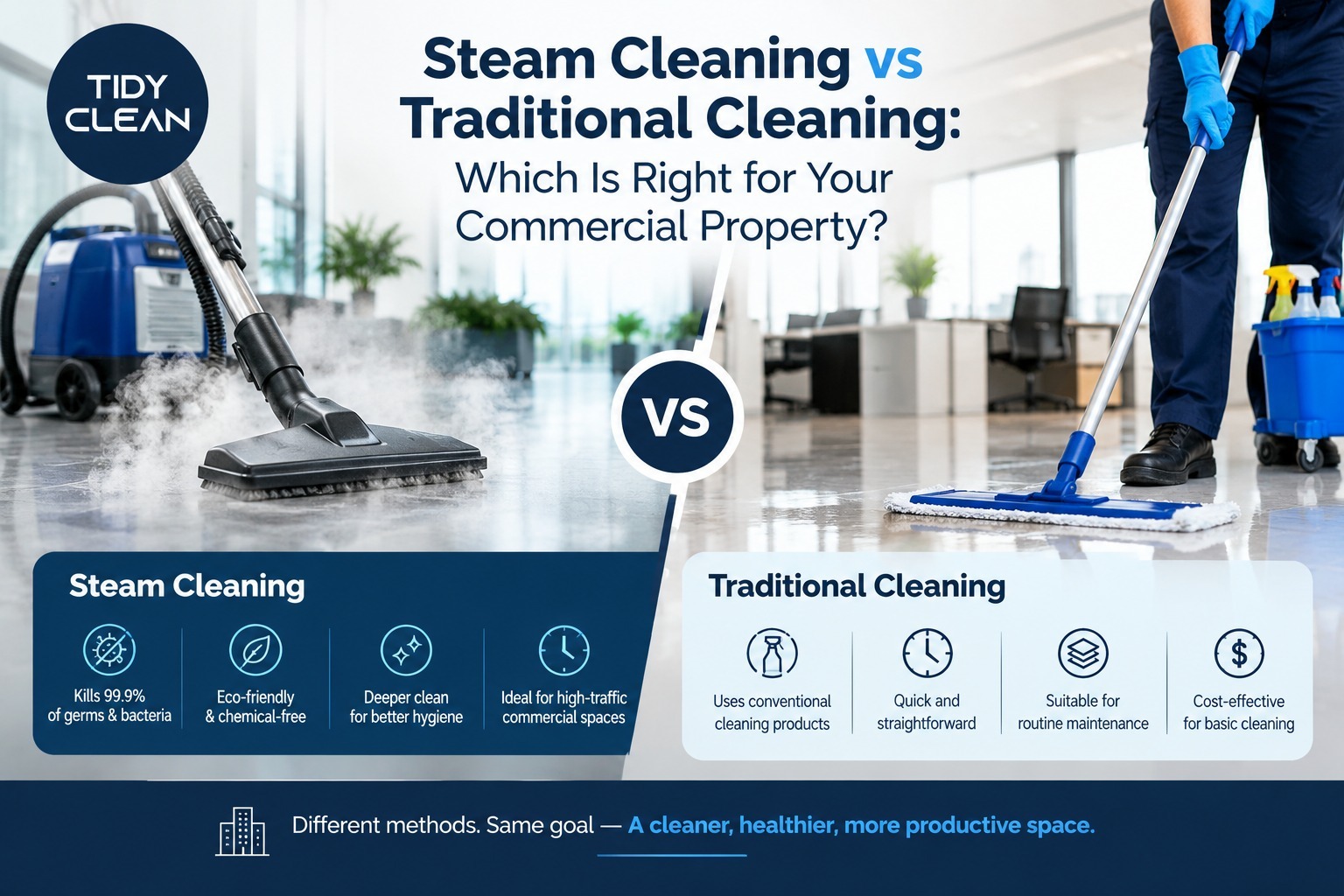
Maintaining a clean commercial property is essential for creating a professional impression, supporting employee comfort, and providing a welcoming environment for customers. However, choosing the right cleaning method can be challenging when different surfaces, levels of foot traffic, and workplace requirements need to be considered.
Maintaining a clean commercial property is essential for creating a professional impression, supporting employee comfort, and providing a welcoming environment for customers. However, choosing the right cleaning method can be challenging when different surfaces, levels of foot traffic, and workplace requirements need to be considered.
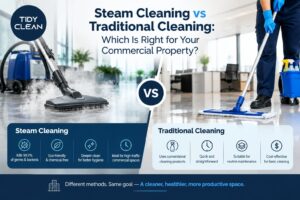
For businesses seeking professional cleaning services, steam cleaning Melbourne providers may be worth considering alongside traditional cleaning methods. Understanding the differences between these approaches can help you make informed decisions about workplace maintenance. Both methods have their advantages, but the most suitable option depends on the surface being cleaned, the type of dirt present, drying requirements, and your property’s daily operations.
In this guide, we explore how steam cleaning and traditional cleaning work, their benefits, their limitations, and how to determine which approach is right for your commercial property.
What Is Steam Cleaning?
Steam cleaning uses heated water to produce steam that helps loosen dirt, grease, and other residues from suitable surfaces. Depending on the equipment and application, steam may be used to clean certain hard surfaces, grout lines, upholstery, and carpets.
Because it uses heat, steam cleaning can be useful for particular cleaning tasks where conventional methods may struggle to remove built-up residue. Some steam-cleaning systems can also reduce microorganisms on suitable surfaces when operated under the required conditions.
However, results depend on the equipment, temperature, contact time, surface material, and cleaning procedure. Steam cleaning should not automatically be considered a substitute for an approved disinfection process, particularly in healthcare environments.
For commercial properties, professional assessment helps determine whether steam cleaning is appropriate for the materials and cleaning objectives involved.
What Is Traditional Cleaning?
Traditional cleaning refers to routine cleaning methods that use tools, water, detergents, and other suitable cleaning products to remove dust, dirt, stains, and everyday residues.
These methods are widely used in offices, retail stores, hospitality venues, and other commercial premises because they can be adapted to different cleaning tasks.
Typical traditional cleaning activities include:
- Dusting desks, shelves, furniture, and accessible surfaces.
- Sweeping, vacuuming, and mopping floors.
- Cleaning kitchens, break rooms, and washrooms.
- Wiping desks, counters, and frequently touched surfaces.
- Cleaning glass, mirrors, and suitable fixtures.
- Removing rubbish and maintaining shared areas.
Traditional cleaning can be arranged on a daily, weekly, or customised schedule according to the property’s needs. When the correct products and procedures are used, it provides an effective foundation for maintaining a clean and presentable workplace.
Unlike steam cleaning, traditional cleaning is not a single technique. It includes various methods, and some tasks may still require specialist equipment or additional treatment.
Steam Cleaning vs Traditional Cleaning: Key Differences
Although both approaches help maintain cleanliness, they differ in how they remove dirt, the surfaces they suit, and the time and preparation they may require.
| Comparison | Steam cleaning | Traditional cleaning |
| Cleaning method | Uses heated steam to loosen dirt and residue | Uses tools, water, detergents, and suitable cleaning products |
| Best suited for | Selected surfaces that tolerate heat and moisture | A wide range of routine cleaning tasks |
| Chemical requirements | May reduce the need for some cleaning chemicals, depending on the task | Often uses cleaning products selected for the surface and soil |
| Drying time | Depends on the amount of moisture left behind and the surface | Varies by method, product, ventilation, and surface |
| Equipment | Usually requires specialist steam-cleaning equipment | Can use everyday cleaning tools or specialist equipment |
| Surface compatibility | Not suitable for every material | Depends on the product and method selected |
| Typical use | Targeted deep cleaning and stubborn residue on suitable surfaces | Routine maintenance and general workplace cleaning |
Neither method is automatically better in every situation. The right choice depends on the cleaning objective and the conditions of your commercial property.
Benefits of Steam Cleaning for Commercial Properties
Steam cleaning can be a useful addition to a commercial cleaning plan when applied to suitable surfaces.
1. Helps Loosen Stubborn Dirt
Heat can help loosen certain types of grease, residue, and accumulated grime. This can be useful for selected tiled areas, grout lines, and other compatible surfaces that need more attention than routine cleaning provides.
2. May Reduce Chemical Use
Depending on the task and equipment, steam cleaning may reduce reliance on some cleaning chemicals. This can be beneficial when businesses want to limit chemical use, although detergents or other treatments may still be necessary for particular soils and cleaning outcomes.
3. Supports Detailed Cleaning
Steam cleaning can provide targeted treatment for suitable areas that are difficult to clean effectively using basic tools alone. A professional cleaner can assess whether the method is appropriate for the material and level of soiling.
4. Can Complement Routine Maintenance
Rather than replacing regular cleaning, steam cleaning can be scheduled periodically for selected tasks. This approach helps businesses combine everyday upkeep with more intensive cleaning when required.
Benefits of Traditional Cleaning
Traditional cleaning remains essential for most commercial properties because it supports consistent day-to-day maintenance.
1. Suitable for Everyday Cleaning
Dusting, vacuuming, mopping, and surface wiping help control everyday dirt and keep workspaces tidy. These tasks are particularly important in busy offices, reception areas, meeting rooms, and shared facilities.
2. Flexible for Different Areas
Cleaning products and methods can be selected according to the surface, the type of dirt, and the manufacturer’s care instructions. This flexibility makes traditional cleaning suitable for many routine workplace tasks.
3. Easy to Schedule Regularly
Businesses can arrange cleaning around their operating hours, foot traffic, and maintenance requirements. A consistent schedule helps prevent dirt and rubbish from accumulating between visits.
4. Supports a Broader Cleaning Plan
Traditional cleaning can cover a wide range of tasks in one visit, from washroom maintenance to floor care and kitchen cleaning. Specialist treatments can then be added for areas requiring additional attention.
Which Cleaning Method Is Best for Different Commercial Areas?
The most effective approach often combines different methods rather than relying on a single technique throughout the property.
- Office floors and workstations: Routine dusting, vacuuming, mopping, and surface cleaning are generally the foundation of maintenance. Steam should only be used where the surface and equipment instructions permit it.
- Carpets and rugs: Regular vacuuming removes loose dirt, while periodic professional carpet cleaning may be needed for embedded soil or stains. Steam-based extraction is suitable for some carpets, but not every carpet or fibre tolerates the same treatment.
- Tiles and grout: Traditional cleaning may be sufficient for routine maintenance. Steam cleaning or specialist tile and grout cleaning may help with certain built-up residues when the materials can safely tolerate heat and moisture.
- Kitchens and break rooms: Regular cleaning is important for counters, sinks, floors, and shared appliances. The cleaning method should reflect the surface, food-contact requirements, and type of residue.
- Washrooms: Routine cleaning and appropriate disinfection procedures are important. Steam may be suitable for selected compatible surfaces, but it should not replace required disinfectants or established hygiene procedures.
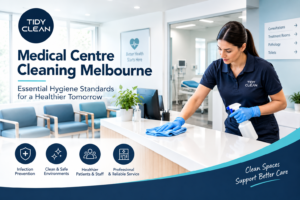
- Medical and healthcare facilities: Cleaning must follow the facility’s infection prevention procedures and applicable requirements. Steam cleaning should only be used where approved for the relevant surface and purpose.
For businesses looking for professional cleaners in Melbourne, an assessment of the property can help establish which tasks need routine maintenance and which may benefit from specialist treatment.
Also read: How Professional Steam Cleaning Services in Melbourne VIC Remove Deep Dirt & Germs
Factors to Consider Before Choosing a Cleaning Method
Before deciding between steam cleaning and traditional cleaning, consider the following factors.
Surface compatibility: Heat and moisture can damage some materials, including certain timber finishes, delicate fabrics, and heat-sensitive surfaces. Always check manufacturer instructions before selecting a method.
Type of dirt: Loose dust, everyday spills, grease, and embedded soil may require different treatments. The cleaning method should match the problem rather than applying the same process everywhere.
Business operating hours: Some areas need to be available soon after cleaning. Consider drying time, ventilation, and whether the work can be completed outside business hours.
Cleaning and hygiene requirements: Choose products and procedures appropriate for the area. Where disinfection is required, follow the relevant product instructions and workplace procedures.
Cost and equipment: Steam cleaning may require specialist equipment and additional preparation. Traditional cleaning may be more practical for frequent routine tasks, while specialist cleaning can be scheduled separately when needed.
Why Combine Steam Cleaning and Traditional Cleaning?
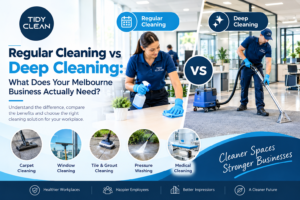
For many commercial properties, the most practical solution is a combination of regular cleaning and targeted specialist treatments.
Traditional cleaning can maintain floors, desks, washrooms, kitchens, and common areas throughout the week. Steam cleaning or another specialist method can then be considered for compatible surfaces that need more detailed attention.
For example, an office may require routine vacuuming and mopping, with periodic professional carpet cleaning when the condition of the carpet calls for it. A retail property may need regular entrance cleaning and occasional specialist treatment for suitable tiled surfaces.
This balanced approach allows businesses to address everyday cleaning needs without overlooking areas that require more intensive care.
Why Choose Tidy Clean for Commercial Cleaning Melbourne?
Every commercial property has different cleaning priorities. An office, retail store, hospitality venue, or healthcare facility may require different schedules, products, and techniques.
Tidy Clean provides professional cleaning solutions for businesses across Melbourne, helping property managers and business owners identify services that suit their premises and operational requirements.
Whether you need routine workplace maintenance, professional carpet cleaning, tile and grout cleaning, or another specialist service, it is important to select an approach based on the surface condition and the outcome you want to achieve.
A tailored cleaning plan can help establish clear priorities, coordinate cleaning around business hours, and identify when additional treatment may be appropriate.
Final Verdict: Steam Cleaning or Traditional Cleaning?
Steam cleaning and traditional cleaning both have valuable roles in commercial property maintenance. Traditional cleaning is essential for routine tasks and everyday upkeep, while steam cleaning can provide additional support for specific surfaces and stubborn residues when used appropriately.
The best option depends on your property, surface materials, cleaning requirements, and operating schedule. For many businesses, combining routine cleaning with periodic specialist services offers the most practical solution.
Keep Your Commercial Property Clean with Tidy Clean
Want to find the right cleaning approach for your workplace? Contact Tidy Clean today to discuss your requirements and request a tailored quote for your Melbourne business.
Visit Tidy Clean to get started.